

Practical use
Support the lower leg and avoid the knee crease and Achilles tendon.
Practical use
Support the lower leg and avoid the knee crease and Achilles tendon.
How it works
Tired, tight calves can make self-massage appealing after time on your feet. This guide keeps the focus on the muscular part of the calf, using a supported leg and pressure you can adjust.
Practical use
Support the lower leg and avoid the knee crease and Achilles tendon.
Practical use
Support the lower leg and avoid the knee crease and Achilles tendon.
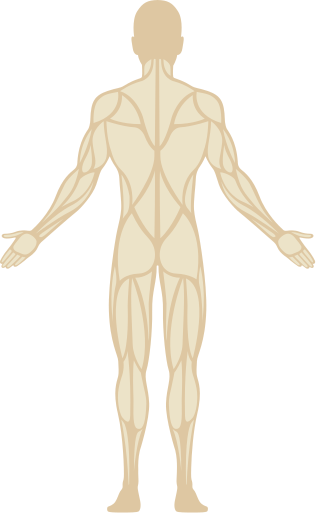
Recommended pressure type
Best starting point for this zone.
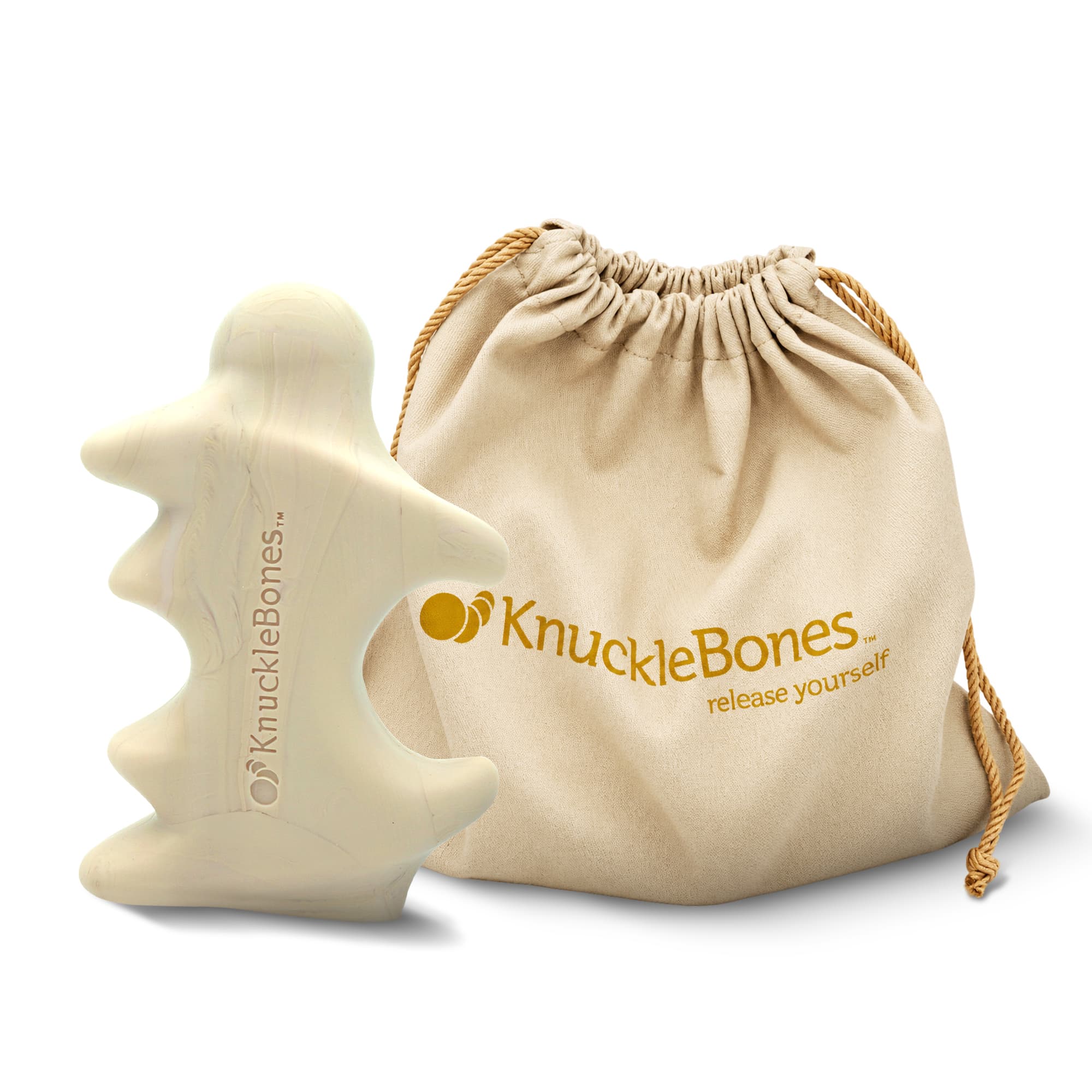
If your calves feel tight, focus on controlled contact through the muscular part of the lower leg rather than forcing a stretch or pressing into a tendon. The broader and smaller surfaces change the contact area; neither requires heavy pressure.
View step-by-step guideRecommended tool
How to use
Choose a comfortable, supported position and follow the setup for the area you are working on. Begin with light contact, keep the pressure comfortable and make sure you can release it easily. Take the pressure off before repositioning.
Get Comfortable
Sit securely on a sofa or another stable seat with your lower leg supported. Keep a comfortable bend in the knee if preferred.
Do not massage a calf that is newly swollen, red, hot or unusually painful, especially on one side. Seek urgent medical advice instead.
Hold the tool against the muscular calf or rest the calf lightly over its broader surface. Avoid the knee crease, shin bone and Achilles tendon.
Use Gentle Contact
Begin with gentle hand pressure or let the leg settle gradually onto the supported tool. Adjust the support and your position to control the pressure, keeping the other leg available for balance.
Use brief, steady contact or short hand-held glides over muscle. Keep pressure comfortable rather than switching to a smaller point to chase a tender area.
Remove the tool before repositioning. Stop for increasing pain, tingling, numbness or any unexpected change in the leg.
Use safely
Begin with light pressure and increase gradually only while it remains comfortable. Stop if you feel sharp or increasing pain, numbness, tingling, dizziness, or unusual weakness.
Common questions
Yes. Keep a comfortable bend if preferred, with the lower leg supported. You do not need to straighten the leg or turn the position into a stretch.
Keep contact on the muscular calf, away from the Achilles tendon, knee crease and shin bone. Do not extend calf-muscle movements onto the tendon.
No. Do not massage a calf that is newly swollen, red, hot or unusually painful, especially on one side. Seek urgent medical advice instead.
Yes. Use gentle hand-held contact on the calf muscle, or rest your supported calf lightly over a broader surface. Choose a position you can reach comfortably and release easily. Do not stand on the tool.
Related zones
Neck & base of skull
Explore neck and skull-base guidance
Upper traps & shoulders
Explore upper trap guidance
Back of arm & outer elbow
Explore arm and outer-elbow guidance
Mid-back
Explore mid-back guidance
Lower back
Explore lower-back guidance
Glutes & hips
Explore glute and hip guidance
Hamstrings
Explore hamstring guidance