

Practical use
Keep contact on upper-arm muscle, not the elbow joint.
Practical use
Keep contact on upper-arm muscle, not the elbow joint.
How it works
A tight feeling at the back of your arm can make you want to rub around the elbow, but muscle and joint discomfort are not the same thing. This guide keeps self-massage on the muscular part of the upper arm. It is not a treatment routine for tennis elbow.
Practical use
Keep contact on upper-arm muscle, not the elbow joint.
Practical use
Keep contact on upper-arm muscle, not the elbow joint.
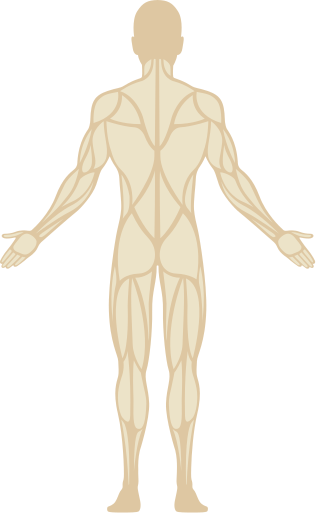
Recommended pressure type
Best starting point for this zone.
Tightness at the back of your upper arm is different from pain in the elbow joint. Keep self-massage on the muscular part of the arm, not the elbow itself. This guide is not a treatment plan for tennis elbow or an explanation of what is causing elbow pain.
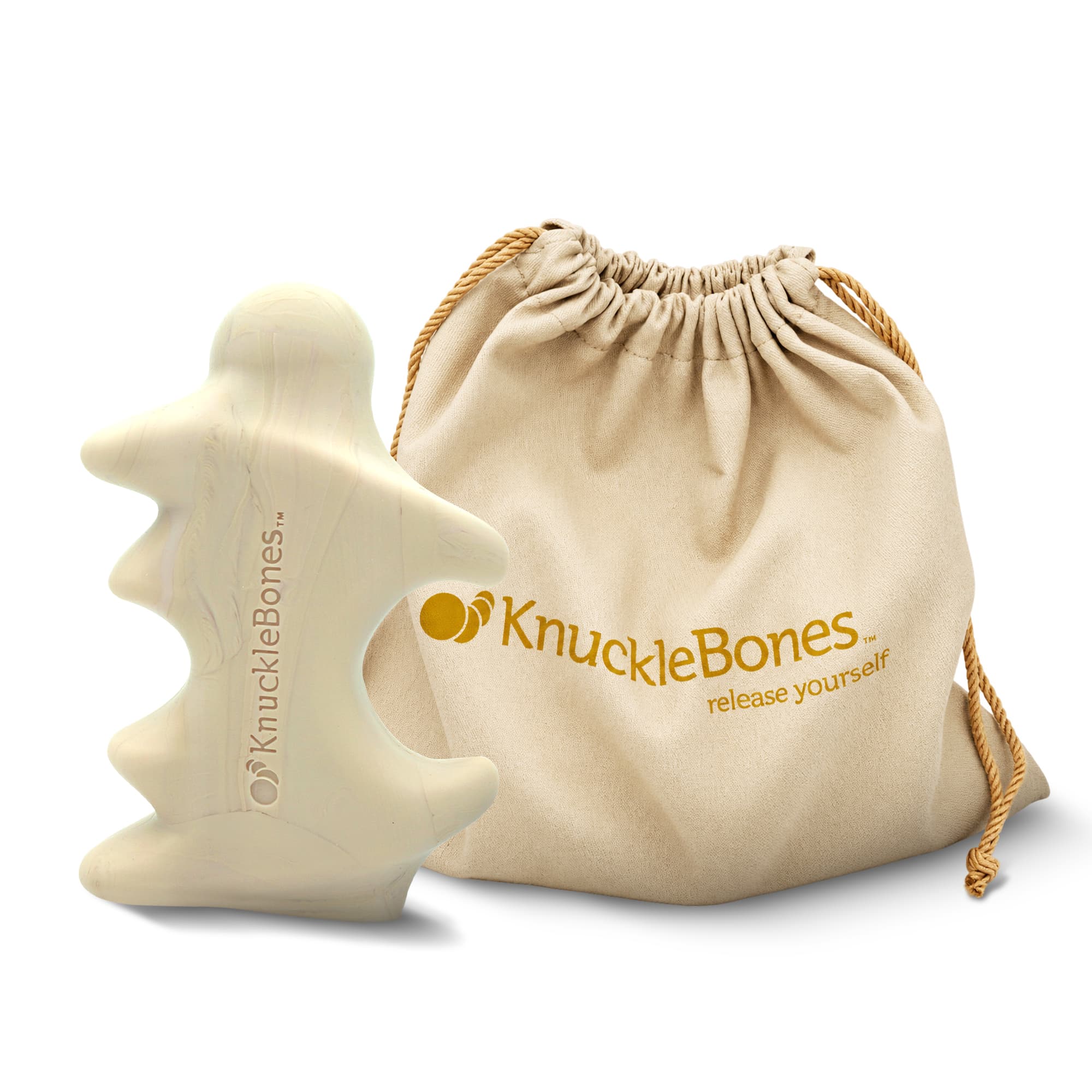
View step-by-step guideRecommended tool
How to use
Choose a comfortable, supported position and follow the setup for the area you are working on. Begin with light contact, keep the pressure comfortable and make sure you can release it easily. Take the pressure off before repositioning.
Support Your Arm
Sit in a stable chair or sofa and support your arm on a cushion or your lap without forcing the elbow straight.
With your free hand, identify the fleshy muscle at the back of the upper arm. Keep the tool away from the elbow tip and inner or outer joint.
Use your opposite hand to place a comfortable contact surface against the upper-arm muscle. Do not wedge the tool into the elbow crease.
Use Light Hand Pressure
Press lightly with your hand while keeping the supported arm relaxed. A smaller point does not require stronger pressure.
If comfortable, glide a short distance over the muscle with the tool held securely. Keep movements away from the elbow itself.
Lift the tool before moving to another spot. Stop for joint pain, tingling, numbness or symptoms extending into the forearm or hand.
Use safely
Begin with light pressure and increase gradually only while it remains comfortable. Stop if you feel sharp or increasing pain, numbness, tingling, dizziness, or unusual weakness.
Common questions
No. Contact on the muscular back of the upper arm is different from treating an elbow tendon condition. Keep pressure off the elbow joint and do not use tenderness around it as a target.
Use your opposite hand to hold the tool while the arm rests on a cushion or your lap. Choose a position you can reach comfortably without forcing the elbow straight.
The forearm needs a separate setup from the back of the upper arm. Lift the tool rather than continuing a movement across the elbow, and use the forearm positioning for contact below it.
Explore hands & forearmsRelated zones