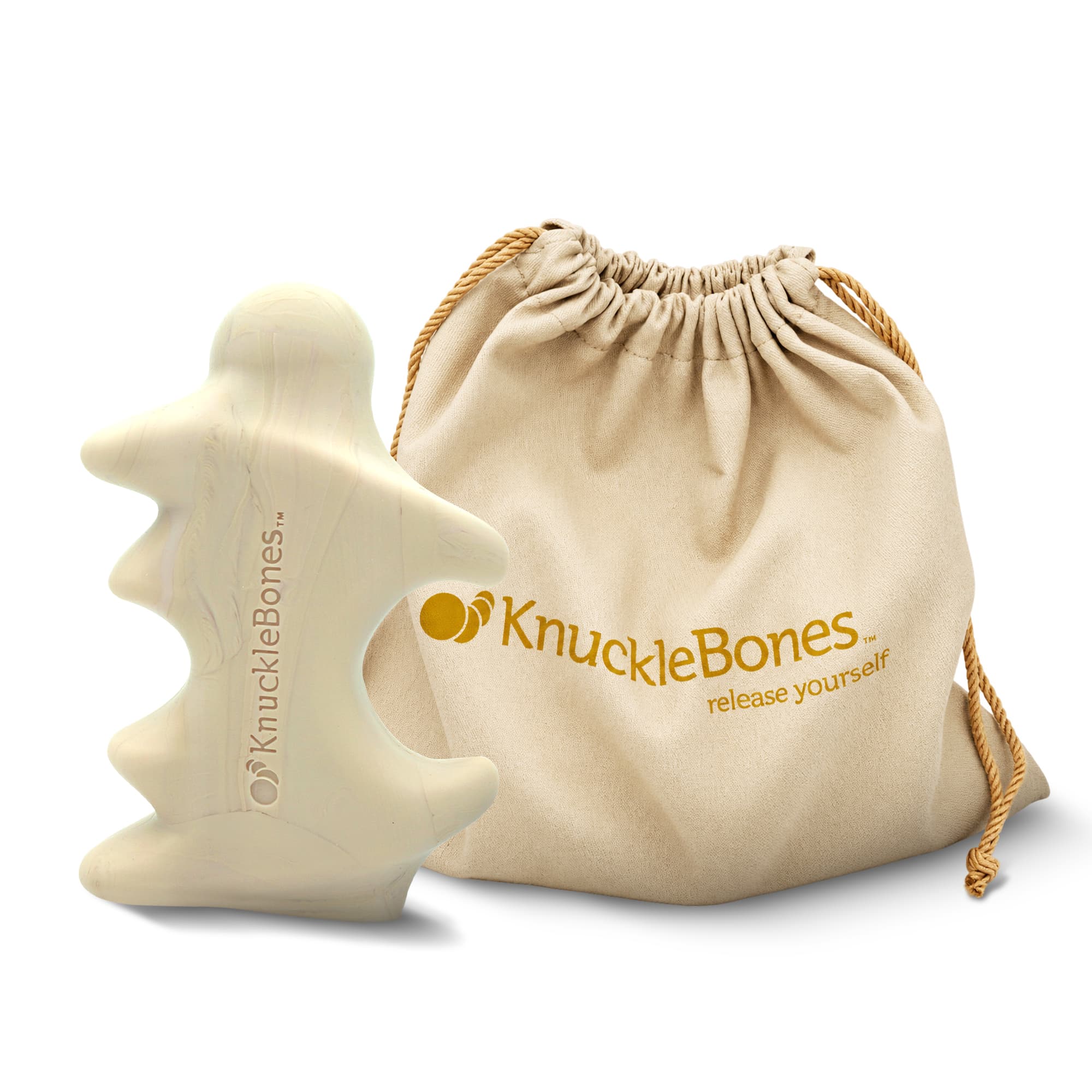
Practical use
Keep neck contact gentle and controlled.
Practical use
Keep neck contact gentle and controlled.
How it works
A tight feeling where your neck meets the back of your head can be difficult to settle comfortably. Start by understanding the area, then explore gentle self-massage with pressure you control. This guide focuses on surrounding muscle, not the spine or treatment of headaches.
Practical use
Keep neck contact gentle and controlled.
Practical use
Keep neck contact gentle and controlled.
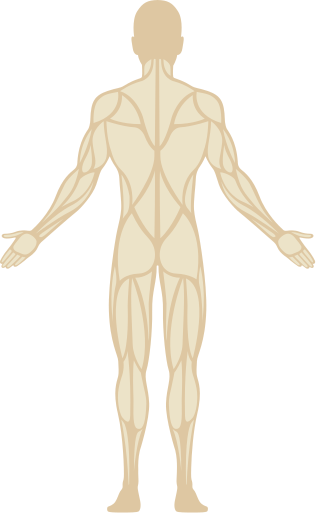
Recommended pressure type
Best starting point for this zone.
A tight feeling where the back of your neck meets your skull can be difficult to pinpoint. This guide focuses on gentle contact around the surrounding muscle, not pressure on the spine or skull. Precision means controlling the contact, not pressing harder.
View step-by-step guideHow to use
Choose a comfortable, supported position and follow the setup for the area you are working on. Begin with light contact, keep the pressure comfortable and make sure you can release it easily. Take the pressure off before repositioning.
Get Comfortable
Sit in a stable chair or sofa with your head in a comfortable, neutral position. Keep The Knuckle stationary and settle against it gradually. If you need extra cushioning or support, place a folded towel or pillow around the tool to support some of your weight and reduce pressure on the contact area. Keep the pressure comfortable and make sure you can ease away easily.
The suboccipitals are small muscles at the back of your neck, just below the skull. Keep contact at the back of the neck, not on the front or sides.
Rest lightly against the stationary tool. Stay off the spine and skull ridge, and stop if the tool shifts.
Keep It Gentle
Begin with light contact and adjust your position gradually to control the pressure. Keep your head in a comfortable, neutral position and do not use the tool to lever or stretch your neck.
Keep contact brief and breathe normally. Ease away if the contact is uncomfortable; do not work through pain.
Take the pressure off before repositioning the tool. Stop for headache, dizziness, nausea, visual changes, tingling or numbness, and seek medical advice for new or persistent symptoms.
Bath Use
The Knuckle is waterproof. For bath use, stay seated and supported, keep your head above water, and do not use oil. Skip this option if the tool will not stay in place.
Use safely
Begin with light pressure and increase gradually only while it remains comfortable. Stop if you feel sharp or increasing pain, numbness, tingling, dizziness, or unusual weakness.
Common questions
For the supported setup above, keep the tool stationary rather than rubbing it by hand. Stay supported, keep your head comfortable and make sure you can ease away easily.
No. Keep contact light and controlled rather than trying to force a tight spot to release. A lingering tight feeling is not a reason to increase pressure or work through discomfort.
The tops of the shoulders and the small area just below the back of the skull need different positioning. For contact across the upper-trap muscles, use the shoulder setup instead.
Explore upper traps & shouldersRelated zones