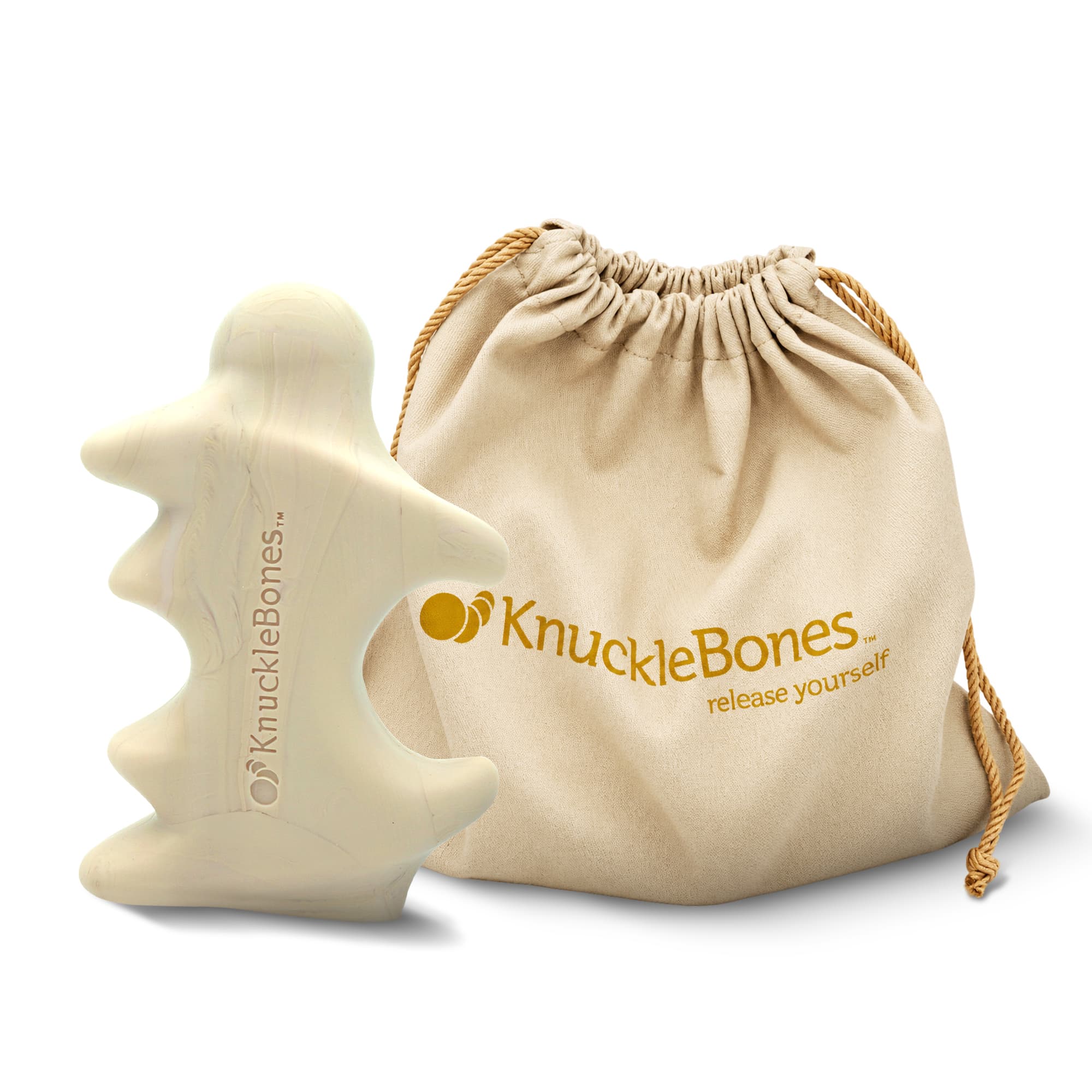
Practical use
Use supported contact beside the spine, not on it.
Practical use
Use supported contact beside the spine, not on it.
How it works
When the area between your shoulder blades feels tight, getting comfortable can be more appealing than another hard stretch. This guide explores supported contact around the mid-back muscles, with small adjustments and no direct pressure on the spine.
Practical use
Use supported contact beside the spine, not on it.
Practical use
Use supported contact beside the spine, not on it.
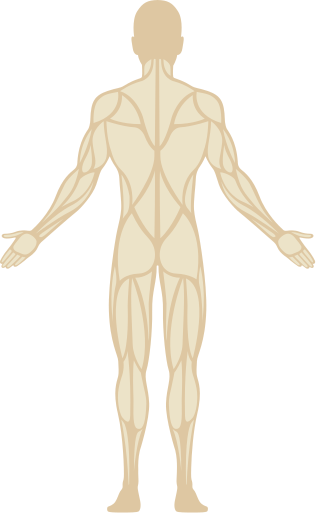
Recommended pressure type
Best starting point for this zone.
When the area between your shoulder blades feels tight, it can be tempting to press directly into the spot that aches. Keep contact on the muscles beside the spine instead. Explore broad or more focused contact while staying off the vertebrae, ribs and shoulder blades.
View step-by-step guideHow to use
Choose a comfortable, supported position and follow the setup for the area you are working on. Begin with light contact, keep the pressure comfortable and make sure you can release it easily. Take the pressure off before repositioning.
Set Up Your Support
Sit in a stable chair or sofa with your feet supported. Use a backrest that lets you control a small lean without the seat moving.
Place the tool against a clearly identified muscular area beside the spine. Keep all contact surfaces off the vertebrae, ribs and shoulder blades.
Keep the tool supported between your back and the backrest. If it slips, creates bony contact or needs an awkward position, stop and reposition rather than leaning harder.
Lean, Release and Reposition
Begin with a small lean, then adjust how much weight rests against the tool while keeping your feet grounded. Keep the pressure comfortable and do not drop your weight onto the tool.
Breathe normally and check that the contact stays comfortable. Ease away rather than waiting for a painful spot to change.
Lean forward to release the pressure before repositioning the tool. Stop for sharp pain, rib discomfort or pain that travels around the chest.
Use safely
Begin with light pressure and increase gradually only while it remains comfortable. Stop if you feel sharp or increasing pain, numbness, tingling, dizziness, or unusual weakness.
Common questions
A stable backrest can support the tool so you do not have to keep reaching behind yourself during contact. Position it on clearly identified muscle, away from the spine, ribs and shoulder-blade edges.
No. For the supported backrest setup, keep the tool stationary and control contact with a small lean. Release the pressure before moving it rather than rolling across the spine or shoulder blades.
A spot that still feels tight is not a reason to lean harder or wait through pain. Keep contact comfortable and ease away if you cannot maintain a supported position.
Skip that position. You need to be able to place the tool securely on muscle and ease away comfortably. Do not force the reach or lean harder to compensate for an awkward setup.
Related zones
Neck & base of skull
Explore neck and skull-base guidance
Upper traps & shoulders
Explore upper trap guidance
Back of arm & outer elbow
Explore arm and outer-elbow guidance
Lower back
Explore lower-back guidance
Glutes & hips
Explore glute and hip guidance
Hamstrings
Explore hamstring guidance
Calves
Explore calf guidance